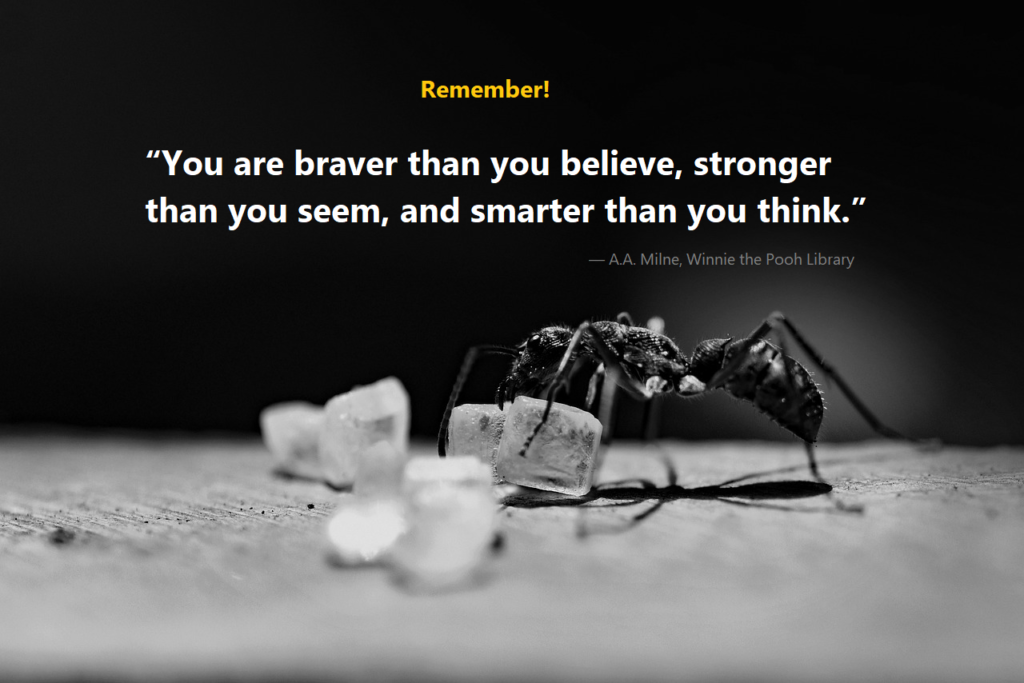
There are phases in life when everything looks fine on the outside, yet inside you feel completely stuck. You wake up, go through the same routine, scroll through motivational quotes, and still feel empty. If you’ve ever felt like progress has paused while the world keeps moving, you’re not alone—and more importantly, you’re not broken.
Hope doesn’t disappear suddenly. It fades quietly when expectations go unmet, efforts go unnoticed, and results take longer than promised. This article is not about instant positivity or unrealistic motivation. It’s about rebuilding hope slowly, realistically, and sustainably.
Understanding Why Life Feels Stuck
Feeling stuck is often misunderstood as laziness or lack of ambition. In reality, it’s usually a sign of emotional exhaustion, not failure.
Common reasons people feel stuck:
- Repeated setbacks despite honest effort
- Burnout from constant responsibility
- Comparison with others’ success
- Fear of making the wrong decision
- Lack of emotional support
When these stack up, the brain enters a survival mode. You stop dreaming, stop planning, and start just “getting through the day.”
Recognizing this is the first step toward change.
Hope Is Not Motivation – It’s a Skill
Most people wait to feel motivated before they act. Hope works the opposite way. Action creates hope, not the other way around.
Hope is built when:
- You take small actions even without confidence
- You see progress, however minor
- You regain trust in yourself
This means you don’t need a life-changing plan. You need tiny, repeatable wins.
Practical Ways to Rebuild Hope Daily
1. Shrink Your Goals Until They Feel Almost Too Easy
When life feels heavy, big goals feel threatening. Instead of:
“I need to fix my life”
Try:
“Today, I’ll complete one meaningful task.”
This could be:
- Writing 200 words
- Going for a 10-minute walk
- Applying for one job
- Reading two pages of a book
Small progress reminds your brain: I can move forward.
2. Stop Measuring Life in Years — Measure It in Days
Many people lose hope because they evaluate their entire life at once.
Instead, ask yourself each night:
- Did I do one thing that helped future me?
- Did I avoid something that drains me?
Hope grows when you focus on today, not the pressure of lifetime success.
3. Limit Exposure to Artificial Positivity
Endless motivational videos and “hustle culture” content can silently kill hope. They make normal struggles feel like personal failures.
Replace some of that content with:
- Real-life stories of slow success
- Educational content
- Calm, reflective reading
Hope thrives in honesty, not hype.
4. Talk to Yourself Like You Would to a Friend
When someone you care about is struggling, you don’t insult them. Yet many people constantly criticize themselves.
Change:
“I’m useless, nothing works”
To:
“I’m struggling right now, and that’s okay.”
This isn’t weakness. It’s emotional intelligence.
5. Create One Anchor Habit
An anchor habit is something stable you do no matter what. It creates a sense of control when life feels chaotic.
Examples:
- Morning journaling
- Evening walks
- Fixed sleep time
- Daily gratitude note
Even when everything else feels uncertain, this habit tells your mind: Some things are still in my control.
When Hope Feels Impossible
There will be days when even small steps feel heavy. On such days, remember this:
Hope does not mean believing everything will be okay.
It means believing your efforts still matter.
Even resting is not quitting. Pausing is not failing. Healing is not wasted time.
Hope Is Built, Not Found
Hope isn’t something lucky people have and others don’t. It’s something ordinary people rebuild repeatedly—especially after disappointment.
If your life feels stuck right now, it doesn’t mean you’re behind. It means you’re human, processing change, pain, and growth at your own pace.
And sometimes, the most hopeful act is simply refusing to give up today.
Feeling stuck is not a sign of failure—it’s often a quiet signal that your mind and heart need rest, clarity, and small, meaningful progress. Rebuilding hope doesn’t require dramatic change or forced positivity; it begins with honest self-understanding, gentle action, and compassion toward yourself during difficult days. By focusing on manageable steps, limiting unrealistic comparisons, and creating simple habits that ground you, hope slowly returns in a way that feels real and lasting. No matter how slow the journey feels, every effort still counts—and choosing not to give up today is already a powerful step forward.