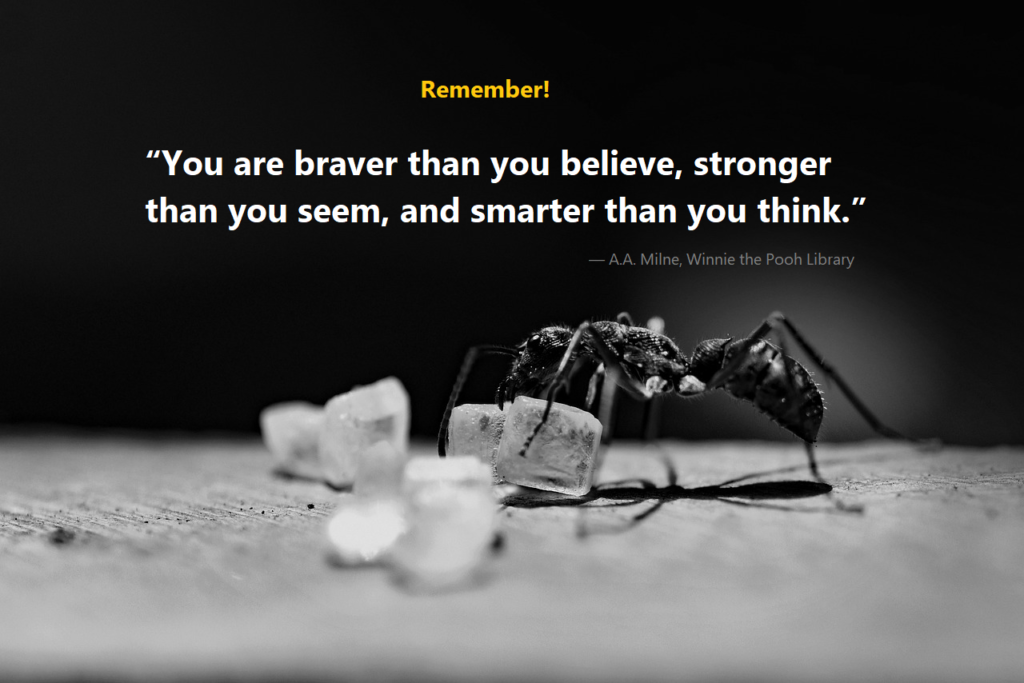
Negative thinking does not just affect emotions—it directly impacts career success, performance, and opportunities. Many talented professionals fail to grow because of limiting beliefs and internal negativity.
This article explains how negative thinking damages career growth and how to overcome it.
What Is Negative Thinking?
Negative thinking includes:
- Self-doubt
- Fear of failure
- Imposter syndrome
- Catastrophic thinking
- Constant self-criticism
These thoughts silently shape behavior and decisions.
1. Reduces Confidence and Initiative
Negative thinkers:
- Avoid speaking up
- Hesitate to take responsibility
- Miss leadership opportunities
Confidence is often valued more than skill in career growth.
2. Limits Learning and Growth
Fear of failure prevents:
- Trying new roles
- Learning new skills
- Accepting feedback
Growth requires discomfort.
3. Impacts Workplace Relationships
Negative thinking leads to:
- Misinterpreting feedback
- Distrust
- Emotional withdrawal
Healthy relationships are essential for career advancement.
4. Increases Stress and Burnout
Constant negative thoughts:
- Increase anxiety
- Reduce focus
- Cause emotional exhaustion
Stress lowers productivity and motivation.
5. Creates a Fixed Mindset
Negative thinking promotes beliefs like:
“I’m not good at this”
“I’ll never succeed”
A growth mindset encourages learning and improvement.
How to Overcome Negative Thinking at Work
- Identify thought patterns
- Replace assumptions with facts
- Practice positive self-talk
- Seek feedback instead of validation
- Focus on solutions, not problems
Your mindset shapes your career more than you realize. Replacing negative thinking with awareness and self-belief can unlock growth opportunities you never thought possible